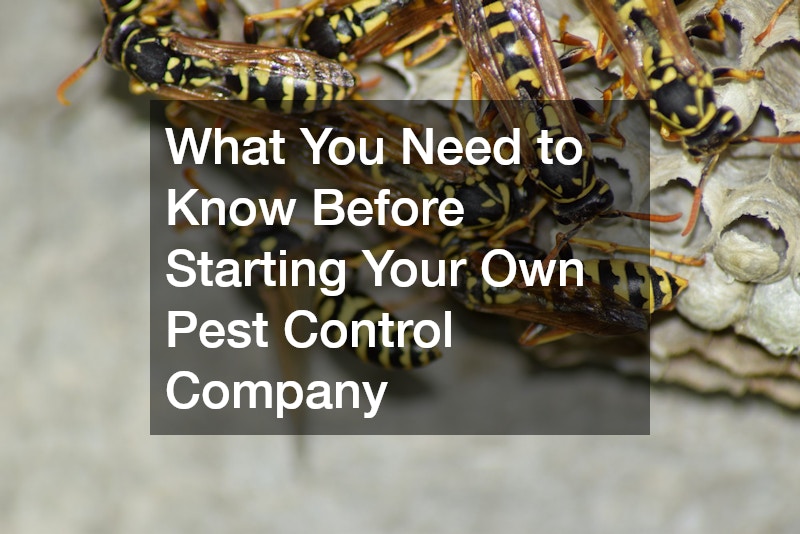
Starting a pest control company can be a lucrative and rewarding business venture. However, there are several important considerations and steps you need to take before launching your business. This article will guide you through the essential aspects of establishing a successful pest control company.
Understanding market demands, regulations, and operational logistics are crucial for setting up a robust business model. In the subsequent sections, we will delve into each of these components to equip you with the knowledge necessary for building and running your pest control enterprise efficiently.
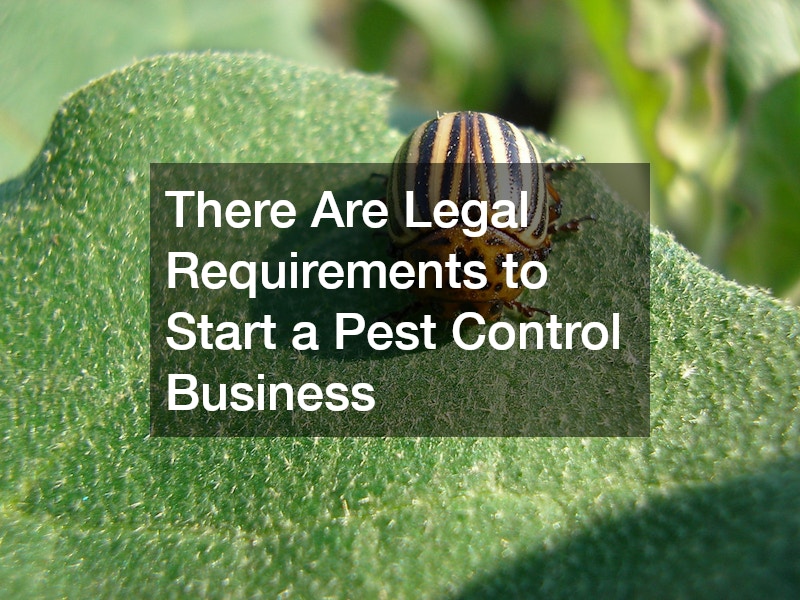
1. What Are the Legal Requirements to Start a Pest Control Business?
Beginning with the legal framework, any pest control company needs to comply with state and federal regulations. Licensing is mandated in most regions, requiring you to pass a series of exams to demonstrate your understanding of safe pesticide use and handling. Many states also require ongoing education to ensure pest control operators remain informed about the latest industry practices and regulations. Furthermore, adequate insurance coverage is crucial to protect your business and clients from potential liabilities that may arise from pest control operations. Be sure to consult with a legal advisor to fully understand the specific requirements of your area.
Acquiring the necessary permits and certifications is only the first step. You will also need to adhere to the Environmental Protection Agency (EPA) guidelines when using chemical treatments. The selection of pesticides and the methodologies used must align with environmental safety standards to minimize negative impacts on ecosystems. Adequate storage for chemicals is another legal requisite, complying with local health and safety codes. Monitoring regulations and updates is essential to stay compliant and reduce potential legal risks for your business.
Lastly, understanding workers’ rights under occupational safety regulations will ensure a safe environment for employees. Keeping accurate records of pest control measures and exposures is vital in case of inspections. Failing to adhere to labor laws not only jeopardizes safety but also risks financial penalties. Ensuring that all employees have access to personal protective equipment and receive proper training is paramount. Comprehensive knowledge of the legal structure surrounding pest control will pave the way for a compliant and successful enterprise.
2. How to Identify Your Target Market and Competition?
Identifying your target market requires an understanding of the demographics and psychographics within your operating region. Residential customers, commercial businesses, and agricultural sectors may each require different pest control strategies and pricing models. It is essential to research and segment these customer bases to tailor your services accordingly. Online resources and market research reports offer valuable insights into potential customer needs and preferences. By understanding your target audience, you can create compelling service offerings that cater to those specific needs.
Competition analysis is a crucial component in forming your market entry strategy. Evaluate existing pest control services in your area to understand their strengths and weaknesses. Consider factors such as pricing, reputation, technology, and customer service to identify areas where your company can excel. Unique value propositions differentiate your brand from competitors and attract new clients. Conducting a SWOT analysis can help pinpoint opportunities in the market and craft strategies to gain a competitive edge.
Building relationships with local businesses and community organizations can also bolster market presence. Networking allows you to gain referrals and access insider knowledge that isn’t readily available through other means. Participating in industry events and joining pest control associations can further establish your reputation and credibility within the market. Leveraging both digital and traditional marketing channels will amplify your reach and establish a solid customer base. Understanding your market dynamics positions your pest control company to thrive in a competitive landscape.
3. What Equipment and Supplies Do You Need?
Determining the equipment and supplies needed for your pest control business starts with understanding the scope of services you will offer. Essential equipment includes sprayers, protective gear, traps, and monitoring devices. Advanced pest management may necessitate specialized machinery and vehicles equipped with storage compartments for transporting pesticides safely. Maintaining an inventory of high-quality supplies ensures effective service delivery and minimizes downtime. Investing in reliable equipment increases operational efficiency and enhances client trust in your services.
Quality control must be prioritized when selecting suppliers for your equipment and chemical products. Partnering with reputable vendors guarantees the toxicity levels and effectiveness of your pesticides, thereby ensuring customer safety and satisfaction. Continual learning about new technologies and products in the pest control industry is important to keep pace with evolving environmental standards and client expectations. Proper maintenance and calibration of equipment are essential to optimize performance and extend operational life. Regular inspections and upkeep of tools will prevent costly repairs and interruptions.
Utilizing technology to track inventory levels and manage customer orders streamlines the equipment management process. Digital solutions like CRM systems enable real-time monitoring of stock, ensuring timely replenishments and service fulfilment. Professional training on equipment use for your staff enhances service delivery and ensures compliance with safety standards. This investment in technology not only reduces errors but also enhances customer satisfaction through efficient service provision. With the right mix of equipment, supplies, and technological support, your business will be well-equipped to tackle any pest control challenges.
4. How to Market and Grow Your Business?
Marketing your pest control business effectively requires a mix of traditional methods and digital strategies. An online presence is essential as consumers increasingly rely on digital platforms for finding and reviewing service providers. Establishing a professional website with comprehensive service descriptions and customer testimonials is a good starting point. Search engine optimization (SEO) techniques can improve your website’s visibility on search engines, attracting more potential clients to your site. Social media platforms offer additional avenues for engaging with your audience and building brand awareness.
Paid advertising, both online and offline, can further extend your reach to targeted customer segments. Pay-per-click (PPC) campaigns on search engines and social media can yield immediate interest and leads. Print advertising in local newspapers and community bulletins still holds value, especially in areas where digital penetration is lower. Offering promotional discounts and referral incentives can compel first-time customers to try your services. By investing in a balanced marketing strategy, your pest control business can achieve sustainable growth and market penetration.
Networking remains a powerful tool in expanding business contacts and opportunities. Attending industry events and local business meetups can expose your business to new partnerships and collaborations. Involvement in local community initiatives increases brand visibility and builds trust. Additionally, fostering relationships with real estate agents, property managers, and commercial landlords can establish a stream of recurring business. Consistent and reputable service delivery will convert these professional connections into loyal clientele, fueling your business’s expansion over time.
5. How to Manage Operational Challenges?
Running a pest control business comes with its own set of operational challenges that must be effectively managed. Scheduling and dispatching services efficiently is essential for maximizing productivity and customer satisfaction. Employing software solutions that allow for automated scheduling can alleviate administrative burdens and reduce the potential for human error. Training employees in multitasking and time management ensures that operations run smoothly even during peak demand. An effective operations management strategy is crucial in maintaining service quality and client relations.
Communication is another key component in managing operational challenges. Clear communication channels between field technicians and office staff ensure that everyone is aligned with customer expectations and service protocols. Consistent updates and feedback mechanisms contribute to continuous improvement in service delivery. Handling customer complaints and negative feedback professionally protects your brand reputation and enhances client trust. Implementing customer service training programs for staff ensures that all interactions are positive and solution-oriented.
Managing inventory effectively is crucial to avoid service delays due to stock shortages. Keeping a detailed inventory list and monitoring usage patterns help in predicting future demands accurately. Establishing reliable vendor relationships can secure timely supply and potentially favorable terms for necessary equipment and chemicals. Regular financial reviews to manage expenses and cash flow are imperative for sustaining business operations. Strategic planning, supported by robust operational systems, equips your pest control business to handle challenges proficiently and maintain competitive positioning in the market.
Starting your own pest control company requires careful planning and attention to detail. By fully understanding the business landscape, remaining compliant with regulations, investing in the right equipment, and executing effective marketing strategies, you will set a solid foundation for your company’s growth and success. Operating efficiently and managing potential challenges with strategic foresight will position your business favorably in the competitive market. With a commitment to quality, safety, and customer satisfaction, your pest control company can achieve long-term prosperity and industry leadership. Embark on this venture well-prepared and reap the rewards of a thriving pest control business.